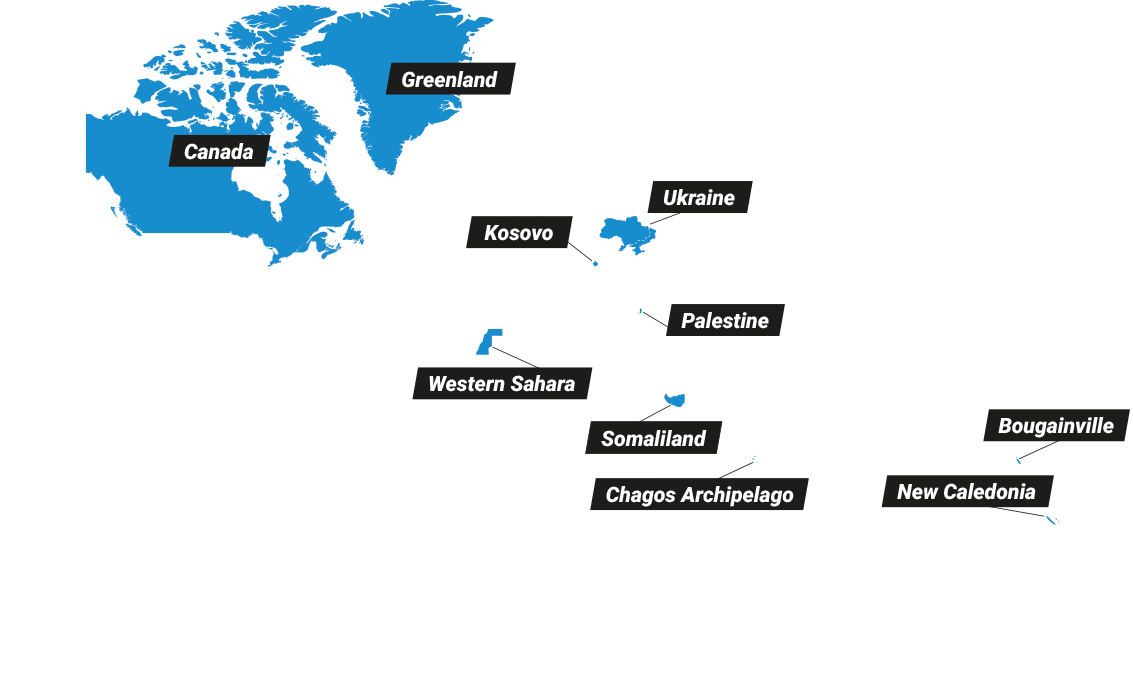
The State Succession Index 2025 highlights 10 key states or territories where state succession or events leading to state succession have occurred. The Index offers insights into processes that have resulted, or may result, in complex legal, political, financial, commercial, and diplomatic consequences, with both regional and global implications. These developments are shaping international arrangements and influencing global governance.
Ukraine
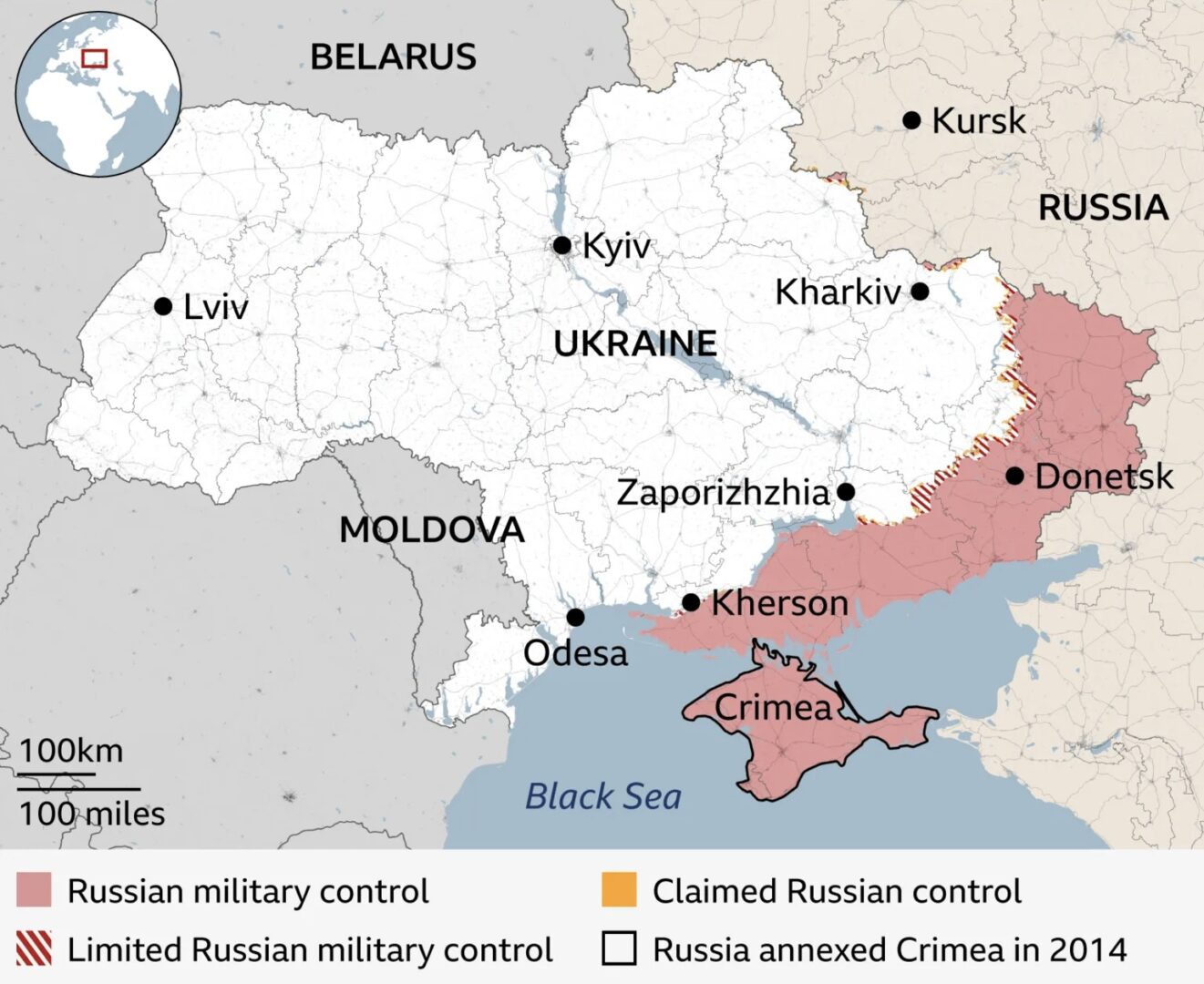
Beginning in February 2022, Russia’s invasion of Ukraine has remained ongoing. Russia continues to claim its right to Ukrainian eastern lands, which it considers to be “historically Russian.” The international community and Ukraine have refused to recognise these claims. Russia is estimated to control around 20% of Ukrainian territory, with both sides locked in a bloody stalemate.
In 2025, Russia’s invasion of Ukraine remains one of the most pressing state succession issues. Even as the international community has broadly condemned the annexation of Ukrainian territories as illegal, Russia has solidified its control over a large swath of Eastern Ukraine.
As progress in the conflict has stalled, both sides have come under increased pressure to reach a peace deal. However, the U.S.-led negotiations have been complicated by Ukraine’s refusal to allow a land transfer to be included as part of a peace agreement. U.S. President Donald Trump has repeatedly attempted to convince Ukraine to accept a deal that would involve ceding some territory to Russia, a proposal that has been rejected by Ukraine and its European allies. The negotiations did not address issues of state succession, whether in general terms or in relation to specific thematic areas, at least in the public domain.
Palestine
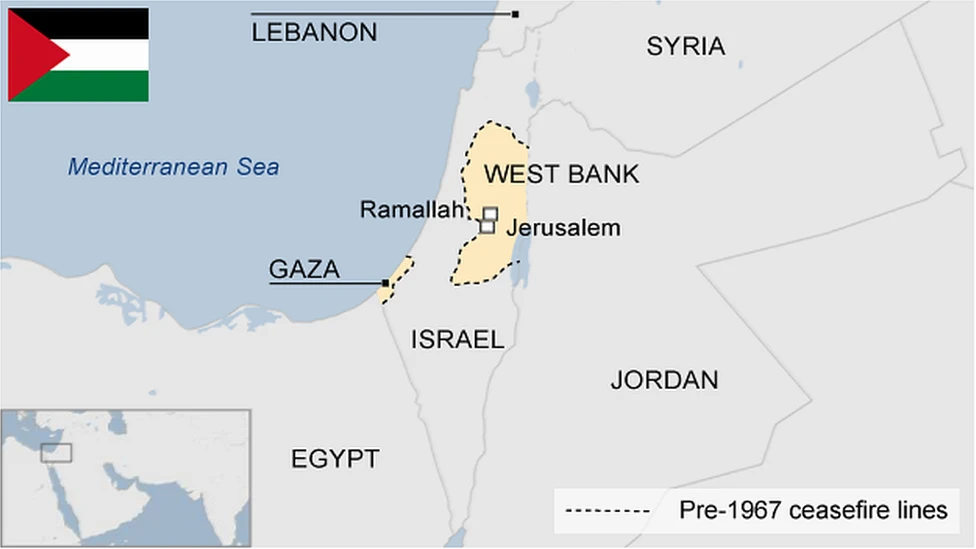
In 2025, eleven states formally recognised the State of Palestine, marking a major step towards Palestine’s goal of obtaining broader international recognition and UN membership. Currently, 157 out of 193 UN member states recognise Palestinian statehood. In September 2025, the United Nations General Assembly adopted the New York Declaration, a roadmap for a two-state solution and peace between Israel and Palestine. Growing support for Palestinian statehood among the international community raises complex legal questions concerning state succession and sovereignty.
Against the backdrop of the war in Gaza, many states have chosen to recognise Palestinian statehood, including two members of the UN Security Council and many longstanding allies of Israel. Many of these states recognised the State of Palestine while calling for peace in Gaza. The states that chose to recognise Palestine in 2025 were:
- France: on September 22, 2025
- Luxembourg: on September 22, 2025
- Malta: on September 22, 2025
- Monaco: on September 22, 2025
- Andorra: on September 22, 2025
- Belgium: on September 22, 2025
- The United Kingdom: on September 21, 2025
- Canada: on September 21, 2025
- Australia: on September 21, 2025
- Portugal: on September 21, 2025
- Mexico: on March 20, 2025.
These developments present a major boon for the State of Palestine in its ultimate goal of obtaining UN membership and broader recognition.
On September 12, 2025, the United Nations General Assembly adopted the New York Declaration on the Peaceful Settlement of the Question of Palestine and the Implementation of the Two-State Solution by a vote of 142 in favor, 10 against, and 12 abstaining. This declaration reaffirmed the unity of Gaza and the West Bank, upheld a commitment to the 1967 borders between Israel and Palestine, and recognized the Palestinian Authority as the only legitimate source of governance, law enforcement, and security across all Palestinian territories. This declaration additionally proposed a 15-month plan for a sovereign Palestine. This declaration reflects that support for a two-state solution remains high in the international community.
The New York Declaration does not contain explicit provisions on state succession. However, it is relevant in a prospective and contextual sense, as it repeatedly envisages the realisation of a sovereign and independent State of Palestine, including international recognition, admission to the United Nations and other international organisations, and the assumption of full governmental, territorial, and international responsibilities. By outlining the transfer of effective authority and sovereignty from an occupation context to full statehood, the Declaration lays political groundwork for a future situation in which questions of state succession under international law would arise, without itself regulating those issues.
Palestinian statehood continues to be challenged by Israel, which has continued its military occupation of Gaza and has expanded its settlements further into the West Bank. In December 2025, Israel approved 19 new settlements in the West Bank. These settlements, which are viewed as illegal by the international community, pose a serious threat to Palestinian sovereignty and self-governance as well as put limits on realisation of state succession initiatives.
Sources:
- https://www.aljazeera.com/news/2025/9/23/which-are-the-150-countries-that-have-recognised-palestine-as-of-2025
- https://onu.delegfrance.org/new-york-declaration
- https://www.un.org/unispal/document/annex-new-york-declaration-06aug25/
- https://www.diplomatie.gouv.fr/en/country-files/israel-palestine/news/2025/article/israel-palestinian-territories-announcement-of-the-recognition-of-palestine
- https://www.bbc.com/news/articles/cqjg18xe0wwo
Bougainville
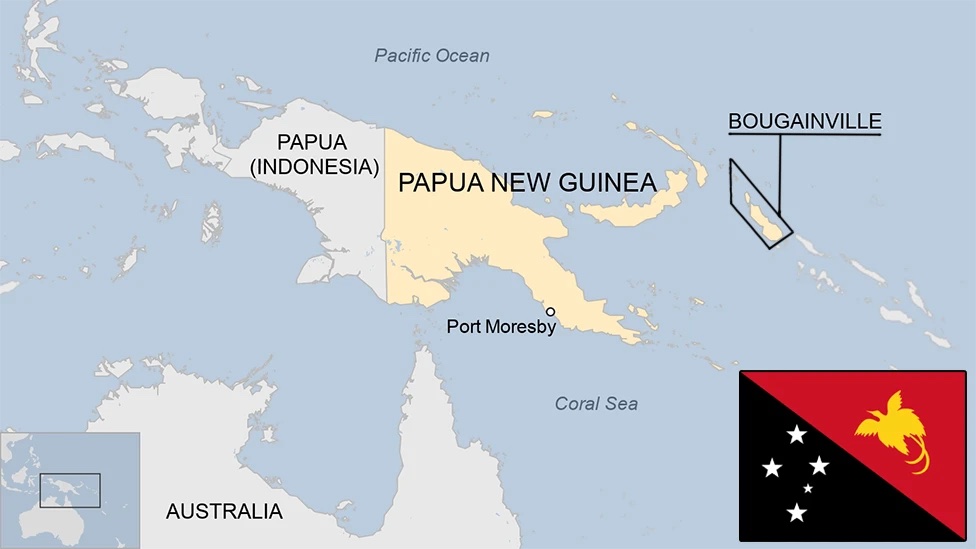
In 2025, the Bougainville Forum officially recommended 1 September 2027 as the official date for Bougainville’s independence from Papua New Guinea. In September 2025, Bougainville conducted elections for its President and Parliament, which will become Bougainville’s governing institutions following independence.
On 11 March 2025, the Bougainville Forum recommended 1 September 2027 as the official date for Bougainville’s independence from Papua New Guinea. This recommendation formalizes the timeline for territorial succession, triggers preparatory measures for governance, and marks the start of formal steps toward independent statehood, including assumption of rights and responsibilities by the new state
On 30 September 2025, Bougainville conducted general elections to form its president and parliament. These elections are critical for establishing the institutional framework of the future independent state, illustrating preparation for internal governance and the transfer of political authority, a core aspect of state succession. The winner of the presidency, Ishmael Toroama, emphasized that independence is not optional but the “destiny” of Bougainville.
The major risk factors are delays or rejection by Papua New Guinea’s Parliament the ratification of Bougainville’s referendum results which could frustrate expectations and revive secessionist tensions. A unilateral declaration of independence – while not imminent – would complicate diplomatic recognition and expose Bougainville to economic and legal risks. If Bougainville becomes independent, it will trigger state succession whereby a new state assumes certain rights and obligations of a predecessor state – Papua New Guinea. Based on current trends, the transition would likely follow a consensual separation model as both sides are engaging in peaceful dialogue, including with the involvement of a mediator.
Sources:
- https://thediplomat.com/2025/09/independence-is-destiny-toroama-wins-bougainville-presidential-election/
- https://www.rnz.co.nz/international/pacific-news/544577/bougainville-leaders-forum-recommends-september-2027-for-independence
- https://aapnews.aap.com.au/news/bougainville-firm-on-independence-after-latest-talks
- https://statesuccessionindex.org/2025/04/09/bougainville-despite-pngs-prime-minister-not-committing-to-backing-bougainvilles-independence-both-sides-are-engaging-in-peaceful-dialogue/
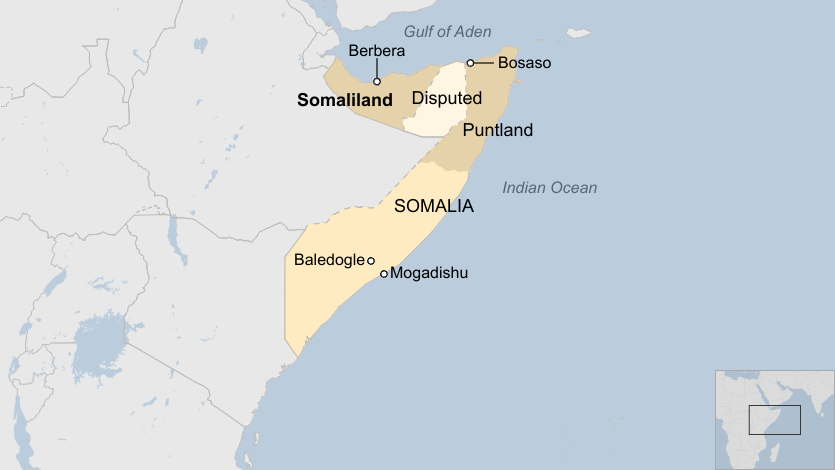
Somaliland
On 26 December 2025, Israel became the first UN member state to recognise Somaliland as an independent state, establishing diplomatic relations through mutual declarations. Somaliland welcomed the move as historic and reaffirmed its claim to statehood under international law, while Somalia, several states, and regional organisations condemned the recognition as a violation of Somalia’s territorial integrity. The recognition did not address issues of state succession, leaving questions of Somaliland’s succession to be clarified through future state practice.
On 26 December 2025, the State of Israel became the first state, as well as the first United Nations member state, to formally recognise the Republic of Somaliland as an independent and sovereign state. This recognition was followed by mutual declarations signed by Israeli Prime Minister Benjamin Netanyahu and Somaliland President Abdirahman Mohamed Abdullahi, initiating full diplomatic relations, including plans for the exchange of ambassadors and the establishment of embassies.
Somaliland declared unilateral independence from Somalia in 1991 following the collapse of Somalia’s central government, establishing its own government, flag, currency, and institutions. However, prior to this development, it had not been recognised by any UN member state. Somalia’s president and federal authorities condemned Israel’s recognition as a violation of Somalia’s sovereignty and territorial integrity, describing it as unlawful interference in its internal affairs and a threat to regional stability. In contrast, Somaliland’s government welcomed the move as a “historic moment” and expressed its readiness to deepen diplomatic and economic cooperation with Israel. In an online address, President Abdullahi emphasised that Somaliland meets the “legal, political, and institutional criteria of statehood under international law.”
Internationally, Somaliland has continued to be regarded as part of the Federal Republic of Somalia, based on the principle of territorial integrity. The recognition was condemned by several states, including Egypt, Jordan, Saudi Arabia, Türkiye, and Djibouti. Shortly after the announcement, the European Union reaffirmed “the importance of respecting the unity, sovereignty, and territorial integrity of the Federal Republic of Somalia.” Similar statements were issued by regional organisations such as the League of Arab States, the Organisation of Islamic Cooperation, and the East African Community.
From the perspective of state succession, the declarations and subsequent statements by Israel and Somaliland do not address issues of succession. Interesting to note that according to the Saxafi Media news outlet, Somaliland’s reinstatement of sovereignty on 18 May 1991 is framed not as “secession” but as a reclamation of independence based on state continuity. Somalia’s State Minister Ali Omar observed that Africa faces numerous succession challenges and noted that Somaliland, as a former British colony, consists of three distinct sub-regions. He further noted that “the eastern part which is now separate region is called Northern East and far western part is called Awdal. Both regions do not want to be part of succession issue.” The questions of state succession and continuity concerning Somaliland are likely to be clarified through further subsequent state practice.
Sources:
- https://www.gov.il/BlobFolder/news/israel-recognizes-the-republic-of-somaliland-as-an-independent-and-sovereign-state-26-dec-2025/en/English_NEWSROOM-2025_Declaration_by_the_State_of_Israel-26-dec-2025.jpg
- https://www.eeas.europa.eu/eeas/israelsomalia-statement-spokesperson-territorial-integrity-federal-republic-somalia_en
- https://saxafimedia.com/misinformation-isir-july-2025-policy-brief/?utm_source=chatgpt.com
- https://www.youtube.com/watch?v=f9kidP7-d3Y

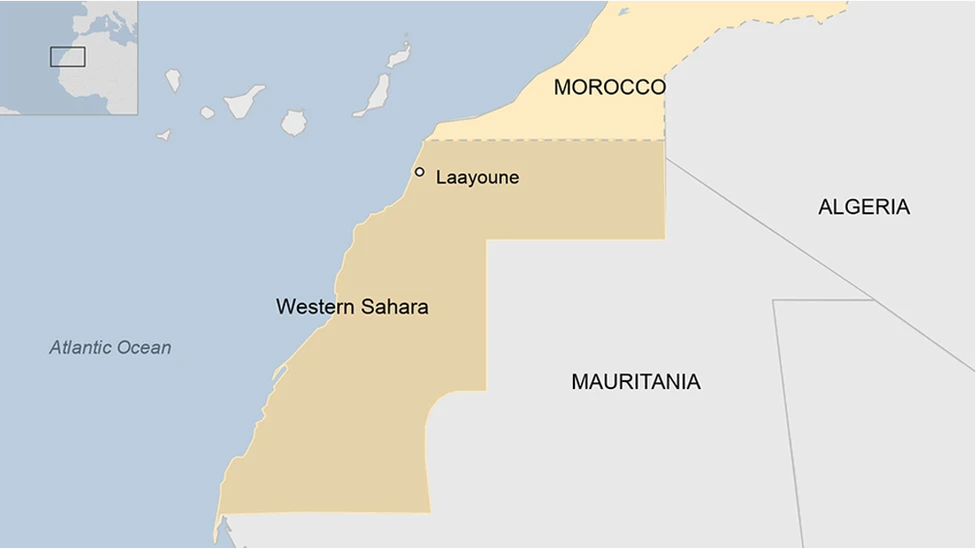
Western Sahara
In 2025, the United Nations adopted a resolution extending the UN Mission for the Referendum in Western Sahara. Notably, this resolution endorsed Morocco’s 2007 proposal to place the territory as an autonomous region under Moroccan sovereignty. The adoption of this proposal was a major blow to the Sahrawi Arab Democratic Republic’s (SADR) goal to attain recognition as an independent state. Despite the members of the Southern African Development Community signing a memorandum of understanding with SADR, growing international support for Moroccan sovereignty in 2025 presents a growing obstacle to SADR’s hopes of international recognition.
Since 1975, Morocco has engaged in a conflict with the Polisario Front, an armed group that seeks to establish an independent state known as SADR in Western Sahara. The international community had long been split on this issue, which has become one of the longest post-colonial conflicts. Earlier in the year, the Southern African Development Community signed a memorandum of understanding with SADR, which reaffirmed support for SADR’s sovereignty over Western Sahara. While the international community remains divided on this issue, growing support for Moroccan sovereignty presents a major challenge for SADR and its allies.
In October 2025, the United Nations Security Council adopted Resolution 2797 (2025), which stated that the most feasible solution to this conflict would be to place Western Sahara under Moroccan sovereignty. According to its para 2 the Security Council “[e]xpresses its full support for the Secretary-General and his Personal Envoy in facilitating and conducting negotiations taking as basis Morocco’s Autonomy Proposal with a view to achieving a just, lasting, and mutually acceptable resolution to the dispute, consistent with the UN Charter.” No operative succession issues arise under the resolution as adopted. However, the resolution is relevant in a contextual and prospective sense, as it frames strong and potential future status outcomes – Western Sahara’s autonomy under Morocco’s sovereignty.
This resolution was seen as a major victory for Morocco, which has slowly been winning support in the international community for its claim. In the past years, three UN Security Council members, the United States, France, and the United Kingdom, have formally backed Morocco’s position. Morocco claims that it would establish Western Sahara as an autonomous territory, with its own democratically-elected legislative, executive, and judicial authority. This resolution is a major blow to SADR’s hopes for independence and broader international recognition. SADR’s allies, notably Algeria, have condemned this decision.
Morover, as a result of the judgment of the Court of Justice of the European Union in Joined Cases C-779/21 P and C-799/21 P of 4 October 2024 which concern the legality under EU law of EU–Morocco trade agreements as applied to Western Sahara, the European Union and Morocco negotiated a new Agreement which was signed on 3 October 2025. The Agreement proposed amendments to the Protocol 4 of the Euro-Mediterranean Agreement establishing an association between the European Communities and their Member States, of the one part, and the Kingdom of Morocco, of the other part of 1 March 2000, concerning the definition of originating products and methods of administrative cooperation, with the aim to ensure both its applicability to products originating in Western Sahara and the continuation of trade, in particular for the fruit and vegetables sector and the fisheries sector. The Decision illustrates the management of trade relations with a non-self-governing territory pending self-determination.
Sources:
- https://www.aljazeera.com/news/2025/10/31/un-security-council-supports-moroccos-plan-for-western-sahara
- https://www.sadc.int/latest-news/sadc-and-saharawi-arab-democratic-republicwestern-sahara-sign-memorandum-understanding
- https://eur-lex.europa.eu/legal-content/EN/TXT/PDF/?uri=OJ:L_202502023
- https://press.un.org/en/2025/sc16208.doc.htm
- https://docs.un.org/en/s/res/2797(2025)
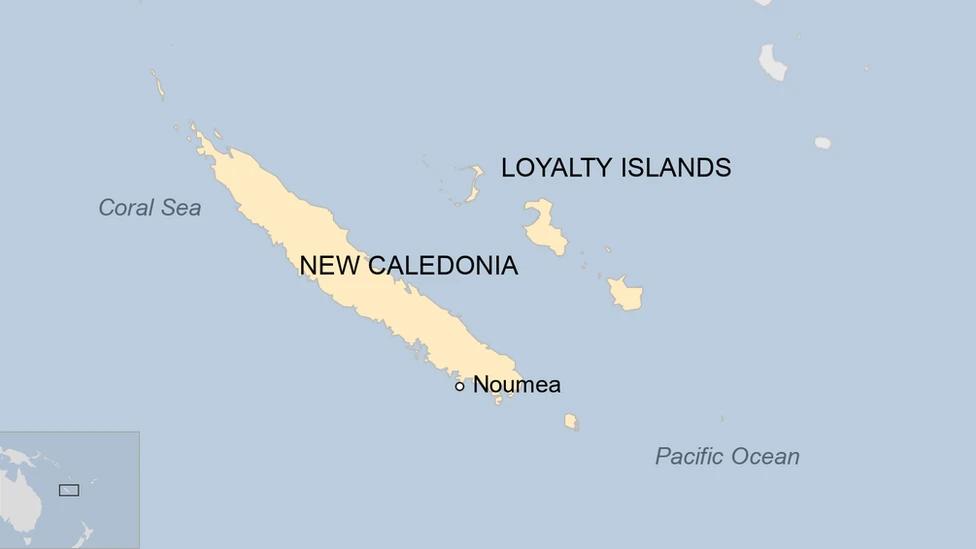
New Caledonia
In July 2025, France and New Caledonia signed the “Bougival Accord,” which established the “State of New Caledonia” within the French Republic. This accord grants New Caledonia greater political autonomy and its own citizenship. France retains control over defense, foreign affairs, and the justice system.
On 13 July 2025, France and New Caledonia produced the landmark Agreement Project of the Future of New Caledonia, commonly referred to as the “Bougival Accord.” This deal created the “State of New Caledonia” within the French Republic and granted the territory greater self-governance, its own citizenship, and internal political autonomy, while France retains control of defense, justice, and foreign affairs. France reiterated before the UN its commitment to respecting New Caledonians’ right to self- determination in accordance with the Nouméa Accords (1997) and Bougival Accords (2025). This reinforces the international legal framework of peaceful transition and negotiated sovereignty. Supporters of Caledonian independence state that this agreement marks a key step towards self-determination.
Substantively, the accord proposes the transfer of the following powers to the New Caledonian Assembly: currency, security and public order, justice and legality control. France will hold exclusive powers on defence and security, as New Caledonia’s role is limited to consultation without any decision-making power. French armed forces will enforce territorial integrity to prevent any Kanaki provinces pursuing their own independence goals. As regards justice, courts and law enforcement remain under French control. New Caledonia will be permitted to define its own rehabilitation and penitentiary policies, albeit without any jurisdiction on criminal law. New Caledonians may create their own provincial and community policing.
But the document signed in Bougival is not the final, legally binding agreement. Instead, it sets out a timetable to introduce the key elements of the 12 July framework agreement into law, which must then be taken to a referendum in New Caledonia in early 2026. Moreover, the language of the Preamble is quite telling. Terms as ‘independence’ or ‘referendum’ are conspicuously absent, replaced by ‘emancipation’, and ‘progressive decolonisation’. France is portrayed as the sole guarantor of ‘democratic principles and the rule of law’, seeking to legitimise a ‘perennial institutional organisation,’ through the amendment of Title XIII of the French Constitution.
Tensions between New Caledonia and France remain strained after the French government’s decision to delay regional elections in October 2025. Pro-independence groups argue that this move undermines self-governance and the spirit of the 2025 agreement.
Sources:
- https://onu.delegfrance.org/france-will-continue-to-follow-the-path-laid-out-by-the-noumea-accord
- https://www.aa.com.tr/en/europe/new-caledonia-pro-independence-group-opposes-postponement-of-regional-elections/3720199
- https://www.theguardian.com/world/2025/jul/13/new-caledonia-to-be-declared-a-state-in-historic-agreement-but-will-remain-french
- https://islandsbusiness.com/news-break/devil-in-the-detail-of-new-caledonias-historic-agreement/
- https://www.ejiltalk.org/a-new-future-for-new-caledonia/
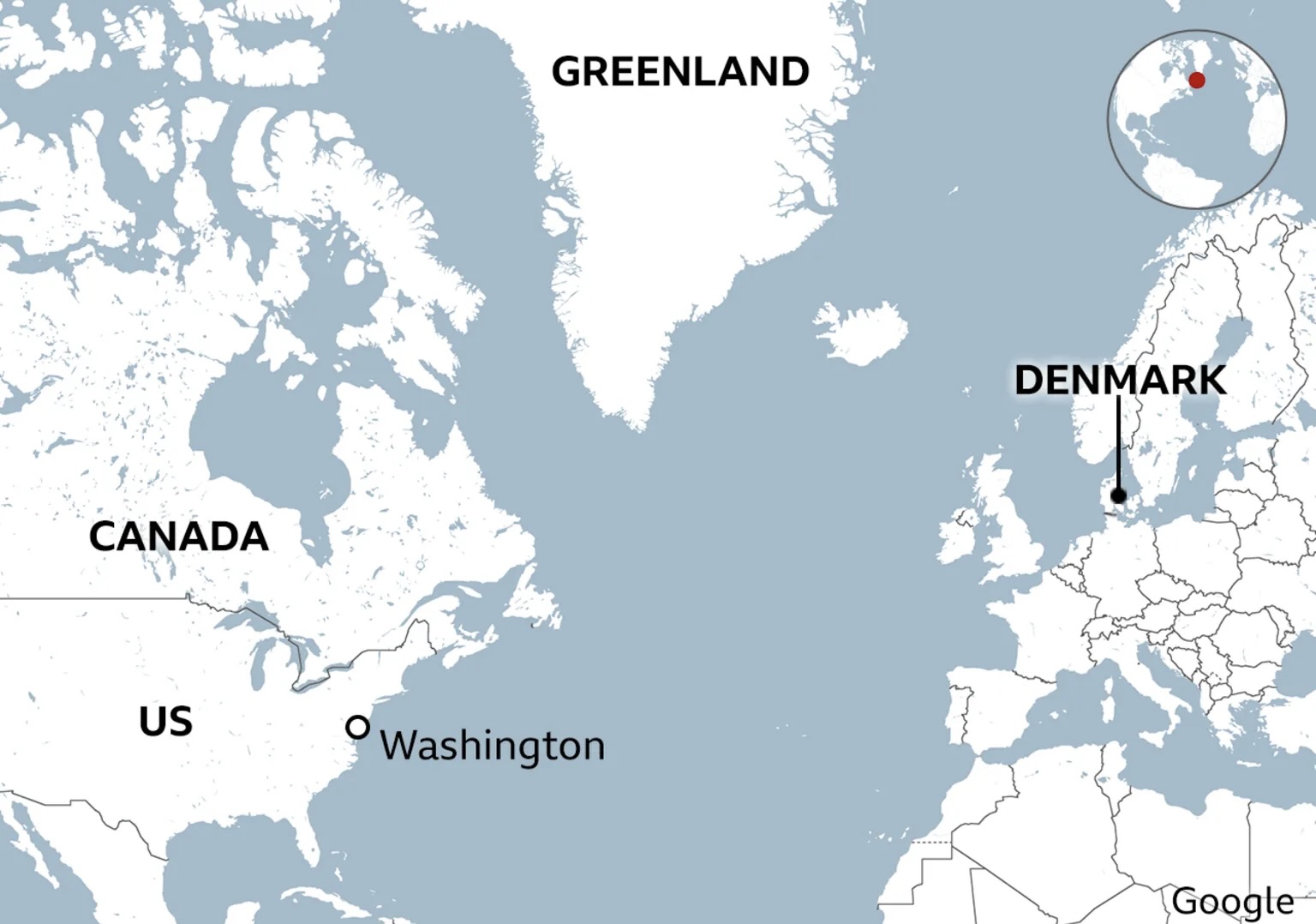
Greenland
Following 2025 elections, nearly all of Greenland’s major political parties have reaffirmed their support for peaceful and gradual separation from Denmark. This comes at a particularly volatile time, as the current U.S. administration has repeatedly stated its interest in annexing the territory. Greenland’s valuable strategic position and wealth of natural resources mean that such state succession event will have a significant impact on the economic, military, and legal trends in the Arctic.
In March 2025, Greenland held pivotal parliamentary elections, in which nearly every major party campaigned in support of independence. The winning party, Demokraatit, emphasized a strategy of gradual and negotiated separation from Denmark, focusing on sustainable economic development, control over natural resources, and enhanced Arctic diplomacy. During the election, debates centered on independence readiness, revenue-sharing from mineral resources, and the future of Danish subsidies. Following the election, party leaders issued a unified declaration reaffirming Greenland’s determination to pursue sovereign statehood gradually. Simultaneously, tripartite consultations between the U.S., Denmark, and Greenland focused on Arctic security and the long-term status of American military installations, including Thule Air Base.
These elections illustrated that support for independence remains high. In early 2025, U.S. President Donald Trump made a push to control the island, citing its strategic value and material wealth. These repeated comments have strained ties between Denmark and the United States and turned Greenlandic state succession into a high-profile international issue. The appointment of Louisiana Governor Jeff Landry as envoy to the autonomous Danish territory and his comment “to make Greenland a part of the U.S.” increased the level of tensions between the U.S. and Denmark. The future of Greenland will have a profound effect on global security, trade, and the law of state succession.
Sources:
- https://www.bbc.com/news/articles/ckgmd132ge4o
- https://www.npr.org/2025/03/12/g-s1-53278/greenland-election-results-trump
- https://www.reuters.com/world/europe/greenland-election-tests-independence-ambitions-us-interest-looms-2025-03-11/
- https://www.aljazeera.com/news/2025/12/23/we-have-to-have-it-trump-renews-greenland-push-as-denmark-lodges-protest
Kosovo
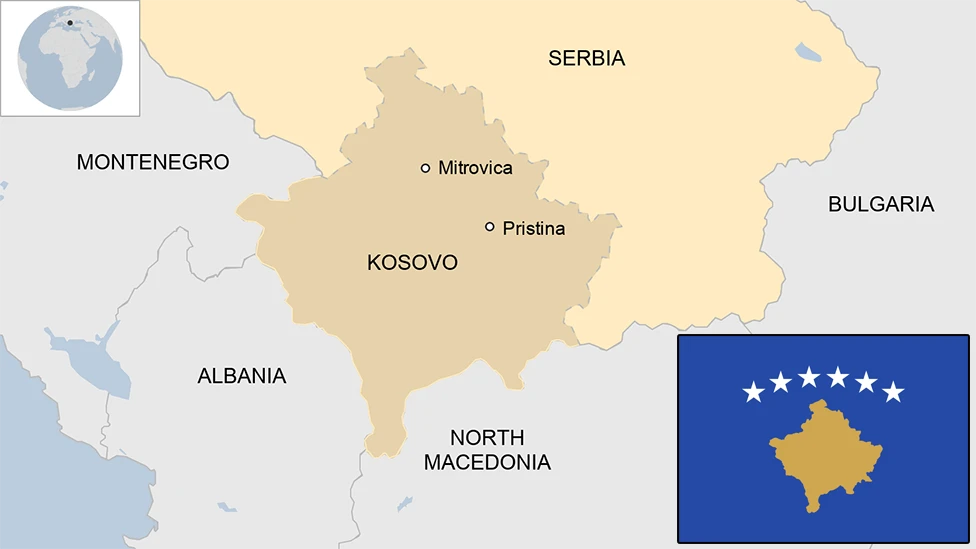
In March 2025, Kenya formally recognized Kosovo as an independent state, becoming the first state to do so in five years. This move presents a major boon for Kosovo, furthering its goal of obtaining broader international recognition. Serbia and its allies have decried the move, continuing to assert that Kosovo is an integral part of Serbia. Kenya’s decision has renewed a complex debate regarding state succession and treaty law in the Balkans.
Since declaring its independence in 2008, Kosovo has been steadily campaigning for broader international recognition. Kenya’s decision to recognize Kosovo is seen as a victory by Kosovo’s allies, after recognition campaigns had stalled over the past five years. Kenya’s president, William Ruto, claims to have made this move to align with Kenya’s commitment to supporting the right of self-determination.
Despite Kenya’s recognition, the total number of states that now recognize Kosovo is debated. Kosovo has been recognized as an independent state, at some point or another, by over 100 UN member states. However, many of these recognitions were ambiguous, disputed, or have been withdrawn.
In practice, Kosovo remains self-governing under the rule of the Republic of Kosovo. Although not formally a member of the UN, the United Nations Interim Administration Mission in Kosovo has had a continued presence in the country, with the stated goal of guaranteeing the security and autonomy of those living in Kosovo. Kosovo’s independence has been decried as illegitimate by Serbia and its allies.
Sources:
- https://www.reuters.com/world/europe/kenya-recognises-kosovo-independent-state-first-such-move-five-years-2025-03-26/
- https://worldpopulationreview.com/country-rankings/countries-that-recognize-kosovo
- https://2021-2025.state.gov/countries-areas/kosovo/
- https://peacekeeping.un.org/en/mission/unmik
Chagos Archipelago
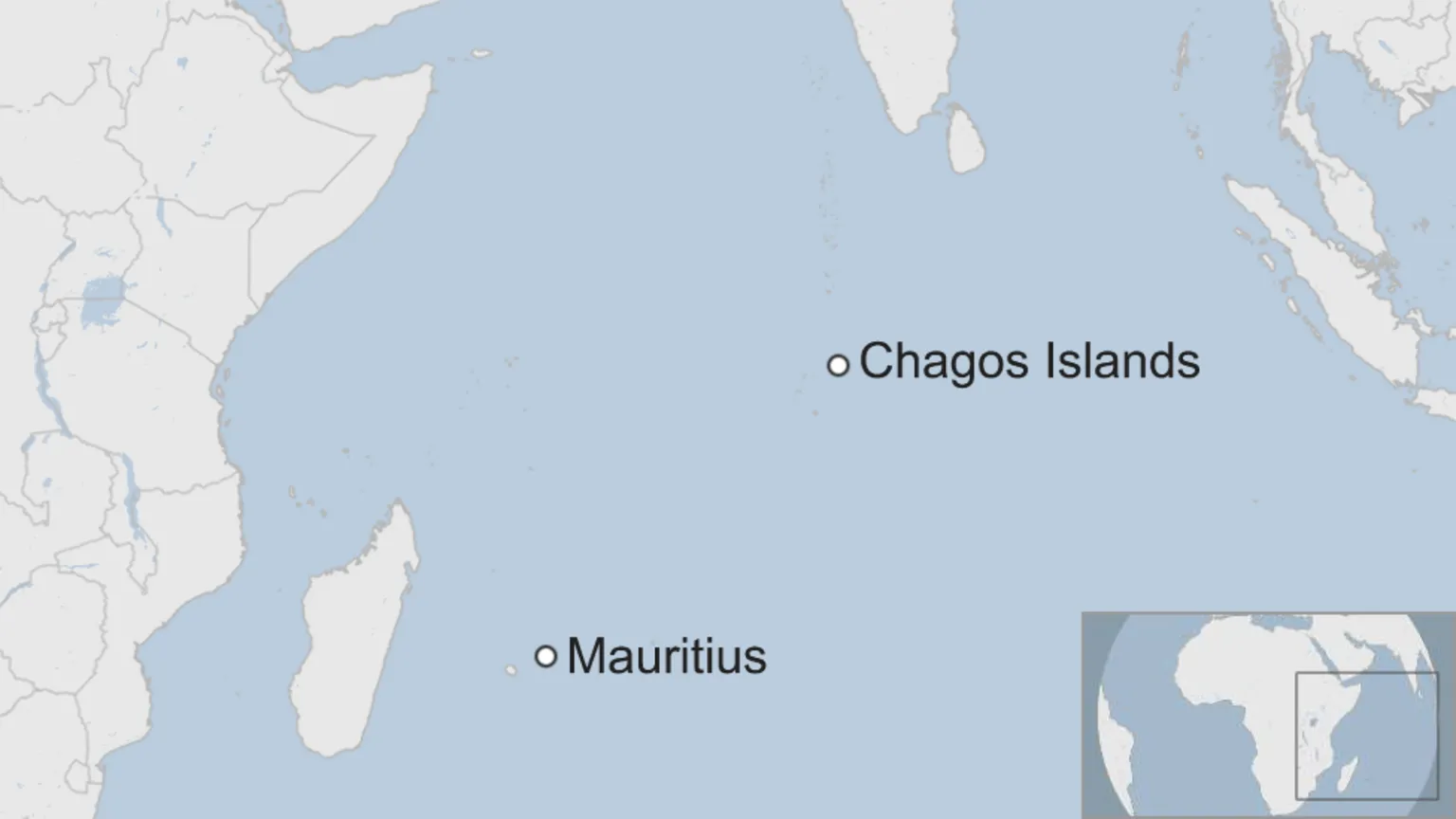
In 2025, the United Kingdom reached a historic agreement with Mauritius, officially recognising Mauritius’s sovereignty over the Chagos Archipelago, including Diego Garcia. In turn, Mauritius will allow the UK and the U.S. to continue to maintain the Diego Garcia military base. This agreement was welcomed by entities including the United Nations, India, and the United States.
In May 2025, the United Kingdom and Mauritius produced the historic Agreement between the Government of the United Kingdom of Great Britain and Northern Ireland and the Government of the Republic of Mauritius concerning the Chagos Archipelago, including Diego Garcia. In this agreement, the United Kingdom formally recognised Mauritius’s sovereignty over the islands, thus ending a decades-long decolonisation dispute. In return, Mauritius authorises the United Kingdom and the United States to maintain the Diego Garcia military base under Mauritian sovereignty. In September 2025, the House of Commons of the United Kingdom passed a bill that stipulates that the island of Diego Garcia will remain under a 99-year Anglo-American military lease, with an annual payment of £101 million.
Although this territorial transfer does not alter the legal personality of either state, this treaty provides a unique example of a negotiated transfer of sovereignty with ongoing foreign military presence and has significant implications for their respective rights and obligations – particularly in areas such as representation within international organisations, participation in decision-making processes, and the scope of treaty and financial commitments. One of the most critical areas of impact concerns the functioning and governance of international organisations, where the UK’s withdrawal in respect of the Chagos Archipelago and Mauritius’s assumption of new responsibilities may affect voting rights, budgetary contributions, and institutional representation. Such transitions may create legal and procedural challenges that require careful coordination to avoid disruption. By the end of December 2025 the treaty has not yet entered into force pending notification of completion of internal procedures from both the UK and Mauritius.
Numerous regional and international actors have welcomed this agreement as a conclusion to a decades-long dispute.
Sources:
- https://assets.publishing.service.gov.uk/media/682f25afc054883884bff42a/CS_Mauritius_1.2025_Agreement_Chagos_Diego_Garcia.pdf
- https://www.state.gov/u-s-support-for-uk-and-mauritius-agreement-on-chagos-archipelago
- https://www.un.org/sg/en/content/sg/notes-correspondents/2025-05-22/note-correspondents-signing-agreement-concerning-the-chagos-islands
- https://govmu.org/EN/newsgov/SitePages/Prime-Minister-holds-press-conference-on-Agreement-between-Mauritius-and-UK-on-the-Chagos-Archipelago.aspx
- https://www.mea.gov.in/Speeches-Statements.htm?dtl%2F39518%2FStatement+on+Chagos+Treaty+signed+between+the+United+Kingdom+and+Mauritius+regarding+return+of+Mauritian+sovereignty+over+Chagos+Archipelago
- https://allafrica.com/stories/202509120542.html
Canada
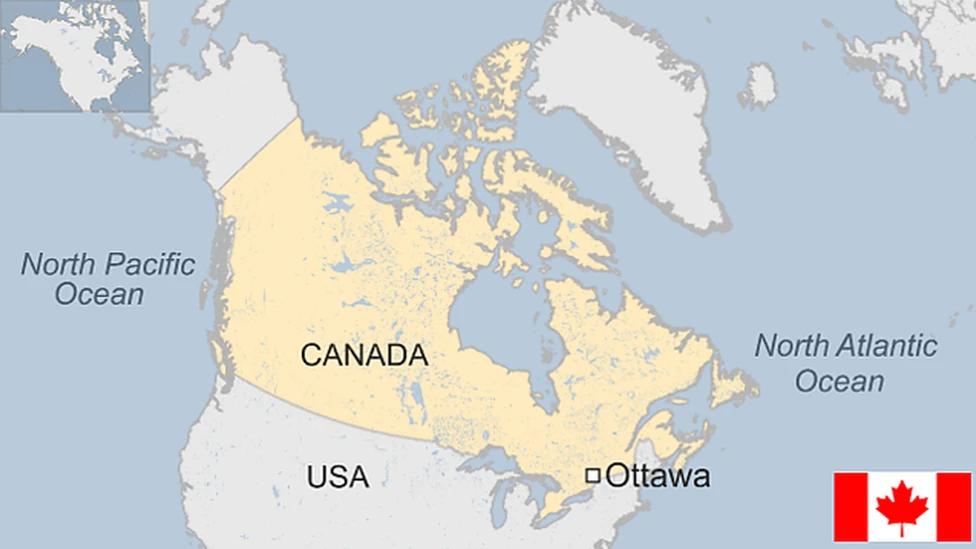
In 2025, Canada faced numerous threats to its unity and sovereignty, both within and outside its borders. Quebec’s provincial government proposed a new constitution which, if adopted, would dramatically increase Quebec’s autonomy, although stopping short of full independence. Polling in Quebec has shown that support for separatism has remained high. Another province, Alberta, repeatedly clashed with the federal government of Canada, with some leaders calling for Alberta’s independence. In December 2025, Alberta approved a citizen initiative petition aimed at putting an independence referendum on the ballot. On the international stage, U.S. President Donald Trump repeatedly called Canada to join the United States as the “51st State.” This proposal has been strongly rejected by Canadian leadership.
Support for self-determination has remained stable among the Quebecois public, with some polls putting public support for independence as high as 50%. The most significant action taken by the Quebecois government towards succession in 2025 was Bill 1 (the Quebec Constitution Act, 2025), proposed by Premier François Legault and his government, Coalition Avenir Québec (CAQ). While stopping short of complete separation, this bill would establish Quebec’s first-ever constitution, affirming that Quebec forms a distinct “nation.”
This new constitution would take ‘precedence over any inconsistent rule of law’ (art. 2), and affirms that the Quebecois National Assembly ‘is the supreme and legitimate organ by which democratic principles are expressed and implemented in Quebec’ (art. 39). Many legal experts interpret this constitution as the government of Quebec giving itself unilateral authority to override decisions made by the Canadian Parliament. This bill, if passed, would greatly increase Quebec’s regional autonomy and challenge the authority of the Canadian constitution and the federal government of Canada.
In Alberta, pro-independence voices have grown louder. In December 2025, Alberta’s government approved a petition initiative by the pro-independence Alberta Prosperity Project. Pro-independence activists will have four months to collect 178,000 signatures to put the question of independence on the ballot. Recent polling found that roughly 30% of Albertans would support separation from Canada. Independence for Alberta, which is a major producer of oil, would have a massive impact on the Canadian economy and political system and could set a precedent for future provincial successionist movements.
Since taking office in early 2025, U.S. President Donald Trump made repeated offers to Canadian leadership to join the United States as the “51st State.” This proposal was explicitly rejected by Canadian leadership. Trump’s repeated interest in Canada has contributed to strained tensions between Washington and Ottawa.
Sources:
- https://www.iconnectblog.com/constitutional-autonomy-or-constitutional-overreach-reflections-on-quebecs-bill-1/
- https://www.cbc.ca/news/canada/edmonton/alberta-referendum-question-approved-9.7025892
- https://www.cbc.ca/news/canada/calgary/alberta-janet-brown-may-2025-poll-separation-sentiment-1.7544074
- https://time.com/7297490/trump-plan-to-annex-canada-51st-state-mark-carney/